What Causes Condensation?
Condensation forms when warm, moist air comes into contact with cooler surfaces, such as windows, walls, or tiles. The moisture in the air turns into liquid droplets, collecting on these surfaces.
Everyday activities like cooking, showering, drying clothes indoors, and even breathing release moisture into the air. If your home doesn’t have adequate ventilation, this moisture has nowhere to go and builds up, resulting in condensation.
Some common contributing factors include:
-
Poor ventilation, especially in kitchens and bathrooms.
-
Inadequate heating or inconsistent temperatures.
-
Blocked air vents or extractor fans.
-
Tightly sealed homes that trap moisture inside.
Book a Survey
The Dangers of Condensation
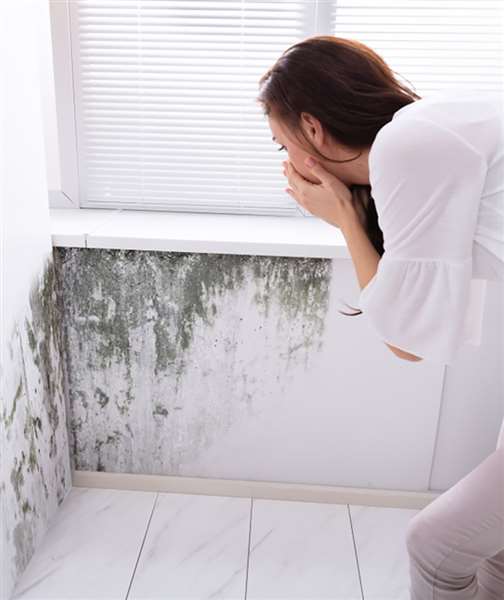
If condensation is not addressed, it can lead to damp conditions that create the perfect environment for black mould to grow. Black mould isn't just unsightly—it can pose serious health risks. Mould spores can aggravate respiratory issues and allergies, and they are particularly harmful to babies, elderly people, and anyone with asthma or a weakened immune system.
Prolonged exposure to mould can cause coughing, wheezing, skin irritation, and more severe health complications if not dealt with promptly.
Book a Damp Survey

How to Prevent Condensation
Thankfully, there are several steps you can take to reduce condensation in your home:
-
Ventilate Regularly
Open windows when possible and use extractor fans in kitchens and bathrooms. Even a few minutes of fresh air can help reduce moisture levels. -
Use a Dehumidifier
Dehumidifiers help remove excess moisture from the air, especially in areas prone to dampness. -
Heat Your Home Consistently
Keeping your home at a steady temperature helps prevent surfaces from becoming cold enough to attract condensation. -
Avoid Drying Clothes Indoors
If possible, dry clothes outside or use a tumble dryer that vents externally. Indoor drying can release large amounts of moisture into the air. -
Keep Furniture Away from External Walls
This allows air to circulate freely and prevents cold spots where condensation can form. -
Insulate Your Home Properly
Good insulation reduces the likelihood of cold surfaces and helps keep indoor air at a more consistent temperature.