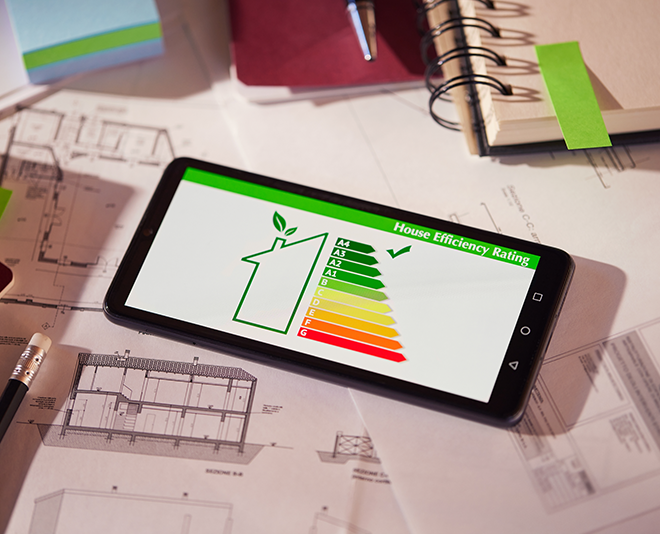
Why The Weather and Temperature matter?
Most sealants, exterior caulks, masonry waterproofers, roof coatings, and wood preservatives perform best when they are applied to dry surfaces in mild temperatures. Warmer weather helps the product bond properly, cure evenly, and provide a longer-lasting protective barrier.
One of the main reasons seasonal timing matters is adhesion. Sealing compounds are designed to stick to clean, dry materials, and many products specify a minimum application temperature of around 5°C to 10°C or higher. In winter, surfaces often remain damp, cold, or even frosty for long periods, which can prevent the compound from bonding correctly.
Even if it appears to apply well, the seal may fail prematurely once exposed to changing weather.
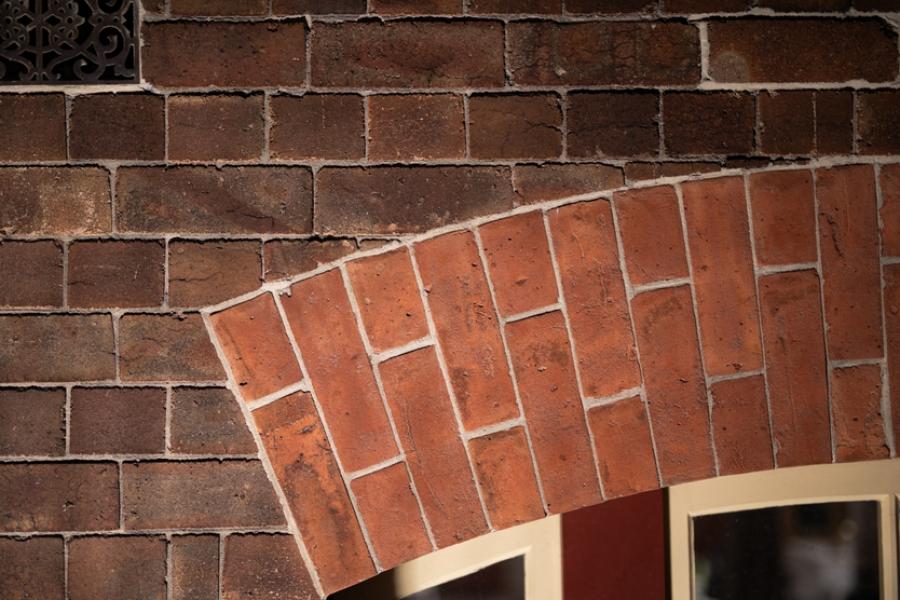
Good timing can make all the difference
Curing is another important factor. Many weatherproofing products harden through evaporation or chemical reactions that slow significantly in low temperatures. In cold weather, curing times can stretch far beyond what is stated on the packaging, leaving the seal vulnerable to rain, dirt, and movement before it has properly set.
Moisture is also a major concern in winter applications. If a compound is applied over damp brickwork, timber, render, or concrete, water can become trapped beneath the coating. This may lead to bubbling, peeling, mould growth, or deterioration of the surface underneath.
In the UK, particularly in places such as Gtr Manchester and The North West, the best time to carry out sealing work is usually between April and September, when temperatures are milder and dry spells are more common. Late spring and early summer are often ideal because surfaces have warmed up but are not yet excessively hot.
Book a Survey