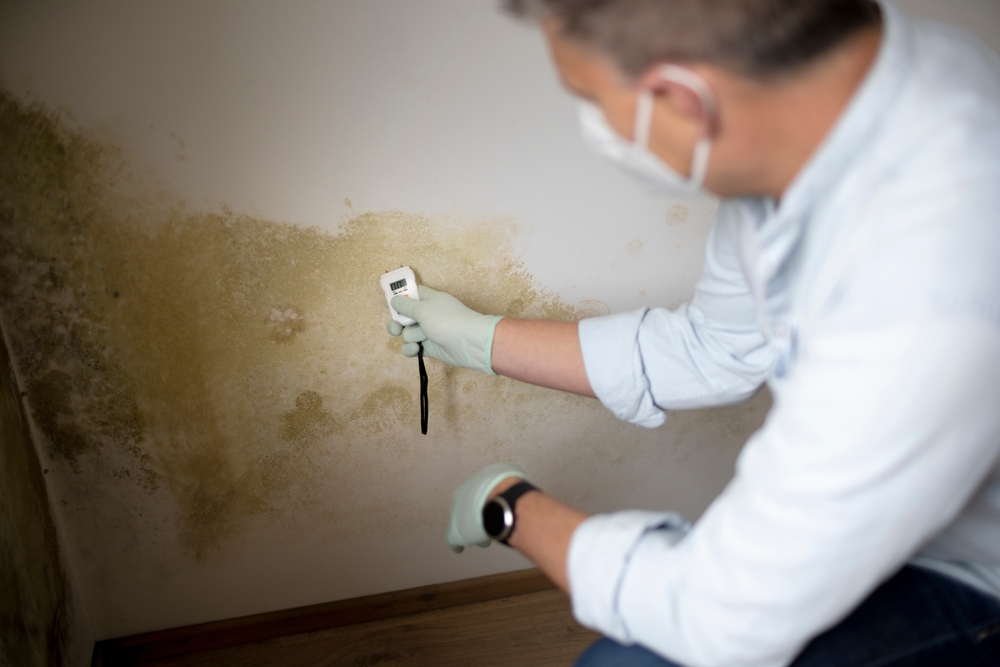
What Is Black Mould?
Black mould is a type of fungus that thrives in damp, humid environments. It feeds on moisture and organic materials found on painted walls, wallpaper, plaster, silicone sealant, wood and even fabrics.
It typically appears as black or dark green spots that gradually spread across surfaces if left untreated.
The most common places you'll find black mould include:
- Around window frames.
- Behind wardrobes and large furniture.
- In the corners of bedrooms.
- On bathroom ceilings.
- Around shower enclosures.
- Behind sofas placed against external walls.
- On ceilings in poorly ventilated rooms.
Although it often starts as a few small spots, it can quickly spread if the conditions remain favourable.
Book a Survey

1. Condensation
Condensation is the leading cause of black mould in UK homes.
Everyday activities such as cooking, showering, drying clothes indoors and even breathing release moisture into the air. When this warm, humid air comes into contact with colder surfaces like windows or external walls, water droplets form.
If those surfaces remain damp for long enough, mould begins to grow.
Modern homes are often better insulated and more airtight than older properties. While this improves energy efficiency, it can also trap humid air inside if there isn't enough ventilation.
Book a Survey

2. Poor Ventilation
Bathrooms, kitchens and utility rooms naturally produce large amounts of moisture.
Without effective extractor fans or adequate airflow, humid air has nowhere to escape. Instead, it settles on nearby walls and ceilings, creating ideal conditions for mould growth.
Bedrooms are another common problem area, particularly during winter when windows remain closed overnight. A surprising amount of moisture is released simply by sleeping, and without ventilation it can quickly build up.
3. Cold Walls
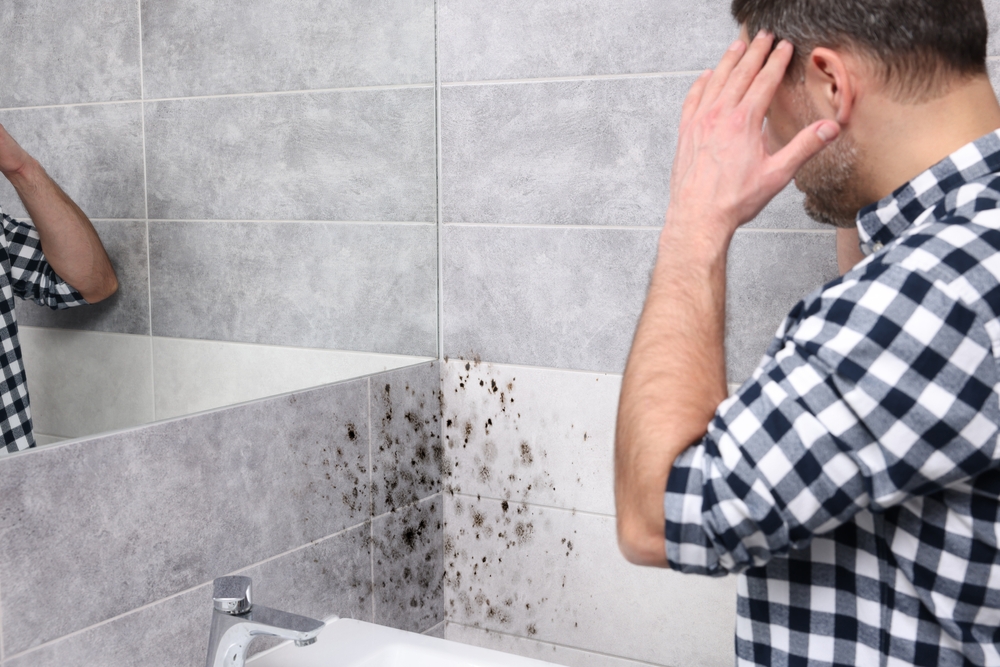
Some walls remain significantly colder than others.
This often happens on north-facing elevations, poorly insulated walls or areas affected by thermal bridging. Warm indoor air naturally condenses on these colder surfaces, making them particularly vulnerable to mould.
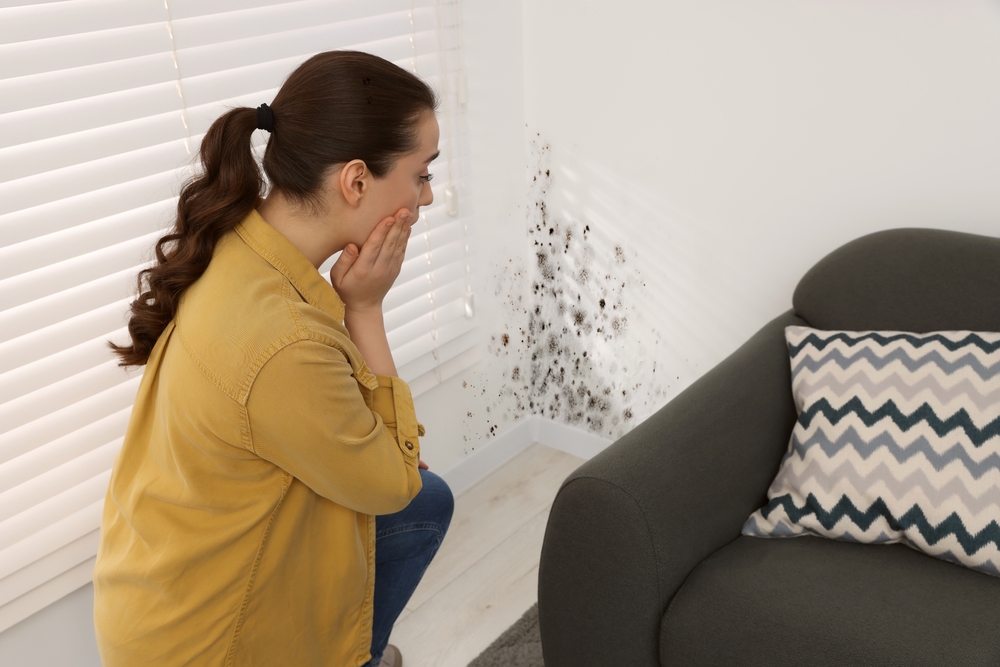
This is why black mould often appears behind wardrobes, beds and sofas positioned against external walls where air circulation is restricted.
4. Hidden Damp Problems
Not all mould is caused by condensation.
Leaking gutters, damaged brickwork, defective roofing, plumbing leaks or penetrating damp can all introduce moisture into a property.
If mould repeatedly appears in the same location despite improving ventilation, there may be an underlying damp problem that requires professional investigation.
Book a Survey
Is Black Mould Dangerous?
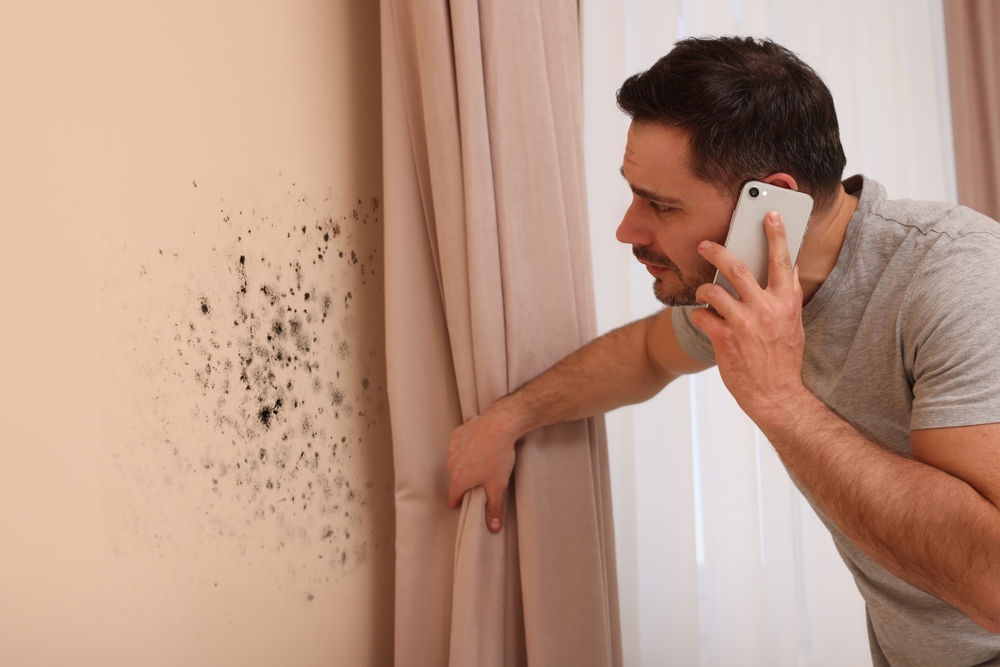
Black mould isn't just unsightly - it can also affect the quality of your indoor environment.
Mould releases microscopic spores into the air that can aggravate allergies and irritate the eyes, nose and throat. Some people may also experience coughing or worsening asthma symptoms, particularly young children, older adults and those with existing respiratory conditions.
Even if nobody in the household experiences health issues, mould should never be ignored. It indicates excess moisture within the property, which can eventually damage plaster, decorations, timber and furnishings if left untreated.

Why Bleach Isn't a Permanent Solution
One of the biggest myths surrounding black mould is that bleach kills it permanently.
While bleach may remove the dark staining from the surface, it rarely solves the underlying problem. In many cases, mould spores remain embedded within porous materials such as plaster and paint.
More importantly, bleach doesn't remove the excess moisture that's allowing mould to grow in the first place.
This is why many homeowners find themselves cleaning the same patch every few months.
Book a Survey