Improves Energy Efficiency
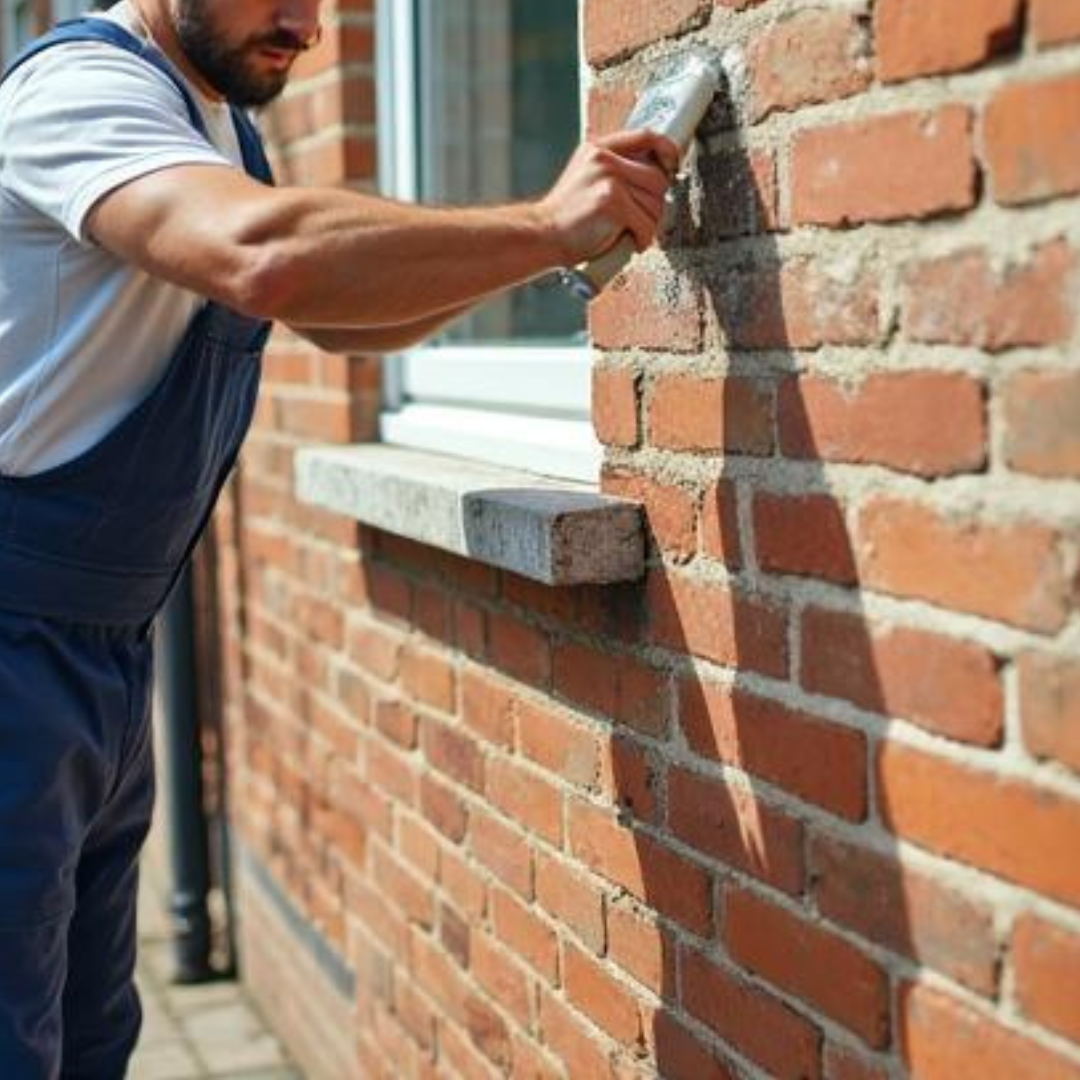
In addition to waterproofing external walls, our external weather sealant can significantly improve the thermal performance of your property. By reducing the amount of moisture absorbed into the brickwork, the walls are able to retain heat more effectively, helping to reduce heat loss by up to 30%.
Drier walls act as better insulators, meaning your home stays warmer in winter and cooler in summer.
This can lead to lower energy consumption, reduced heating costs, and a smaller environmental footprint, all while improving overall indoor comfort.
Increased Winter Dangers
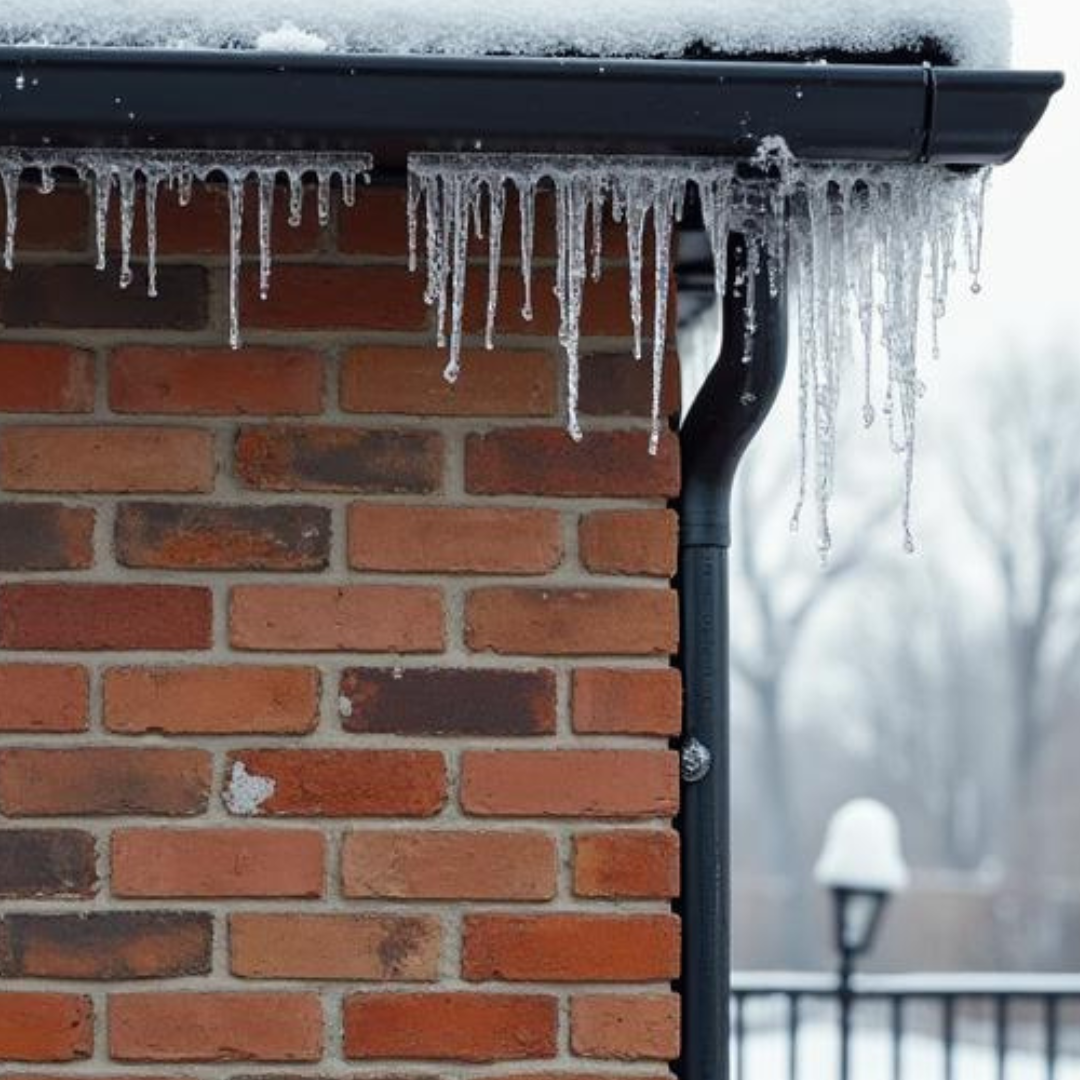
One of the most damaging effects of moisture penetration is freeze–thaw action. When water enters porous materials such as brick or stone, it can freeze during colder temperatures, expand, and then thaw as temperatures rise. Over time, this repeated process causes cracking, surface deterioration, and structural damage.
Repeated freezing and thawing can cause cracking, surface deterioration and eventually irreversible structural damage.
By preventing water from entering the masonry, our external weather sealant greatly reduces the risk of freeze/thaw damage, helping to preserve the integrity and appearance of your external wall
Best Time to Weather Seal
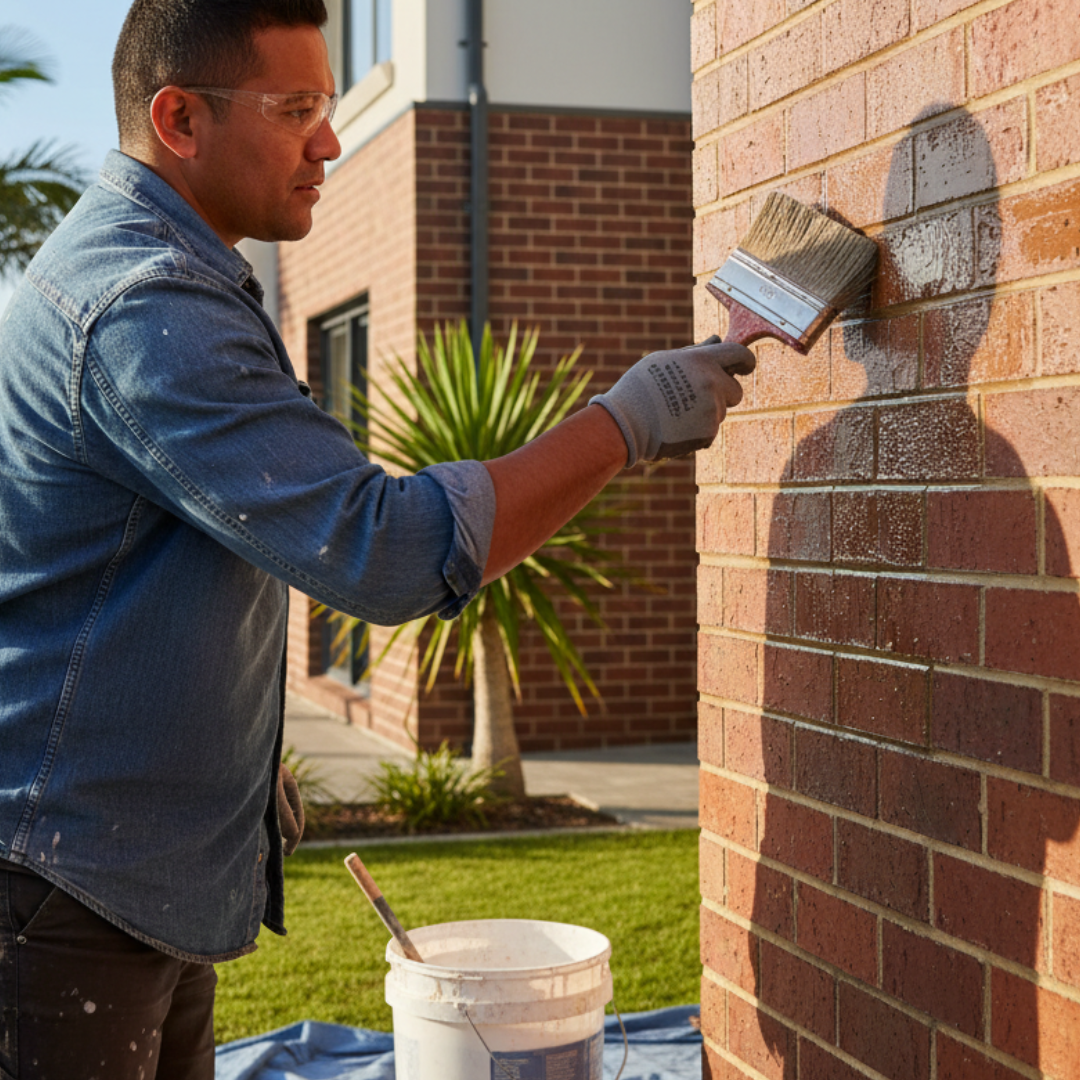
Applying weather sealants during spring is usually much more effective than carrying out the same work in winter, particularly when temperatures are low and surfaces are wet. Cold, damp conditions can make exterior maintenance more difficult and often reduce the overall performance of many sealing products.
Most sealants, outdoor caulks, masonry waterproof coatings, roof treatments, and timber preservatives achieve the best results when used on dry surfaces in moderate temperatures. Milder weather allows the material to spread correctly, adhere properly, and cure at a consistent rate, helping to create a stronger and longer-lasting barrier against moisture.
Applying weather sealer in the spring or summer is usually much more effective than carrying out the work during the winter.
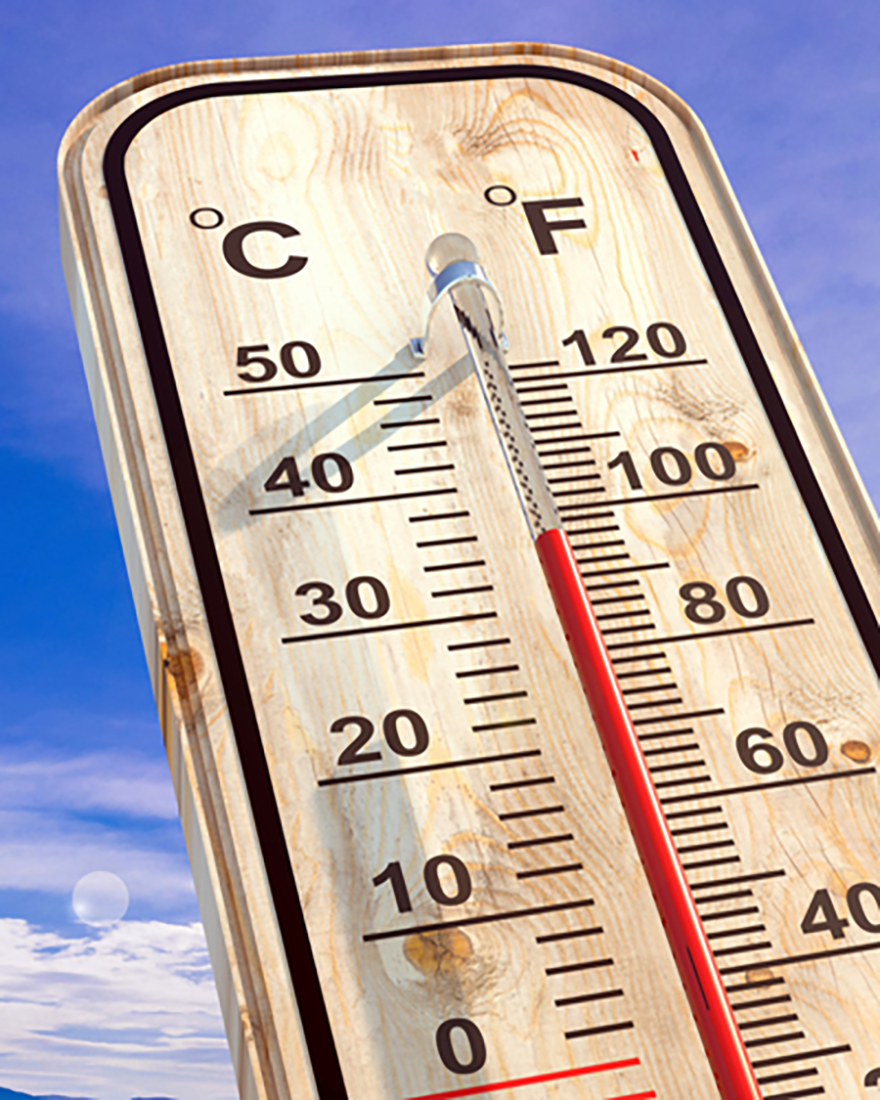
Timing is especially important when it comes to adhesion. These products are formulated to bond to clean, dry substrates, and many manufacturers recommend application temperatures of at least 5°C to 10°C or above. During winter, walls, roofs, brickwork, and timber can stay cold, damp, or frosted for extended periods, which may weaken the bond. Even if the seal initially looks sound, it can deteriorate much sooner once exposed to rain, frost, and temperature changes.
What about hot days?
Summer conditions can still require some care. On very hot days or in direct sun, some products may skin over too quickly, making them harder to smooth or tool properly. For the best results, it is often better to apply sealants in the Spring.
If Spring ins't an option then it can be applied early morning or late evening when it cools down
Winter applications are best reserved for urgent repairs. If a leak or structural issue needs immediate attention, specialist low-temperature products such as emergency roof sealants or winter-grade exterior caulks can be useful temporary or permanent solutions. For routine maintenance, however, waiting for a dry, mild spell in spring or summer is usually the smarter choice.
As a general rule, if the surface feels cold, damp, frosty, or rain is expected within the next day, it is usually better to delay the job. Good timing can make the difference between a seal that lasts for years and one that fails within months.
Get a Weather Seal Quotation