What Causes Condensation?
Condensation forms when warm, moisture-laden air comes into contact with a cold surface, such as windows, external walls or ceilings. As the air cools, it can no longer hold as much moisture, causing water droplets to form.
Everyday activities generate surprisingly large amounts of moisture, including:
- Cooking
- Showering and bathing
- Drying clothes indoors
- Boiling kettles
- Washing dishes
- Breathing
In a well-ventilated home, much of this moisture escapes outside. However, in modern homes with improved insulation and airtight construction, moisture can become trapped indoors, increasing humidity levels and creating ideal conditions for condensation.
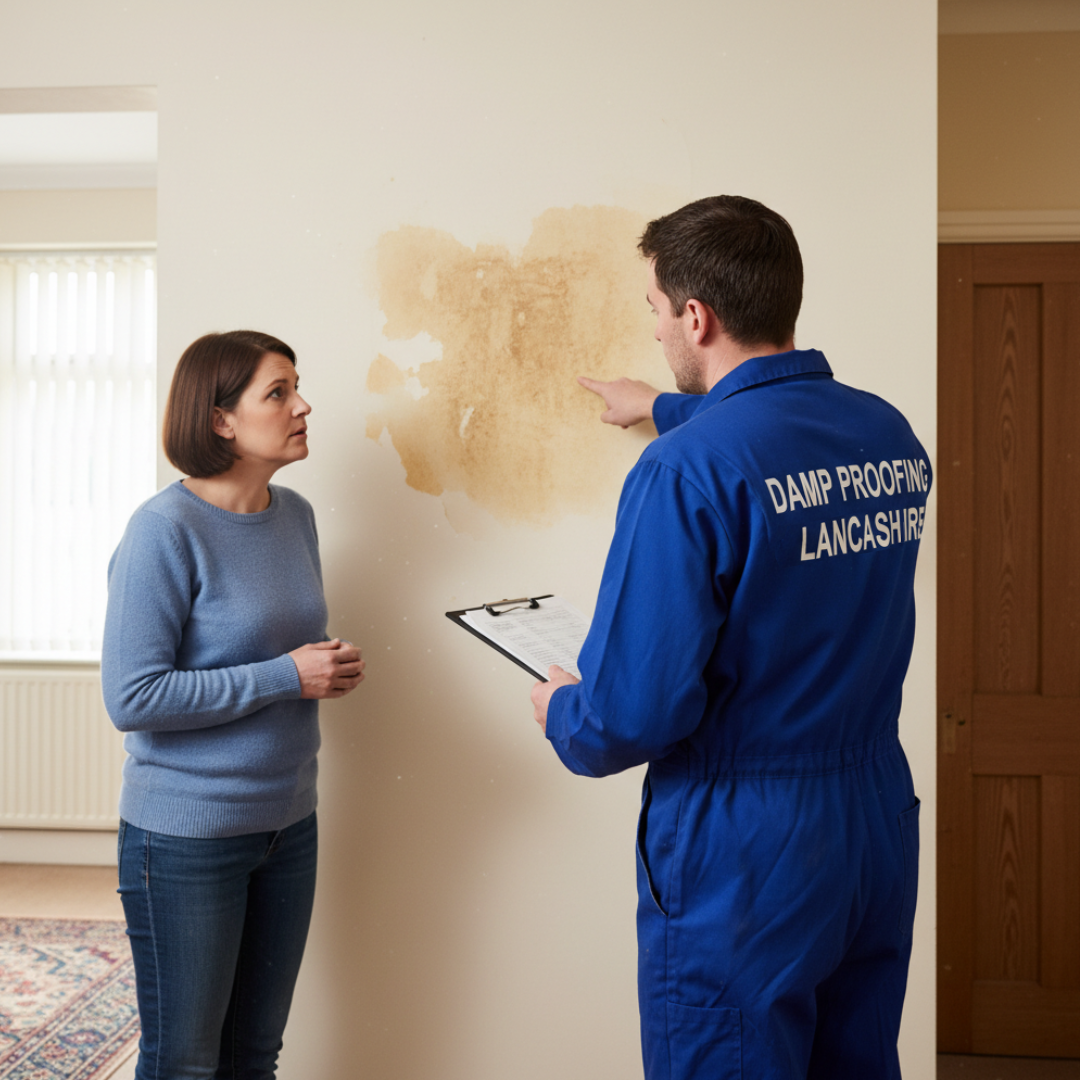
Signs of Condensation Damp
Common signs include:
- Water droplets on windows each morning
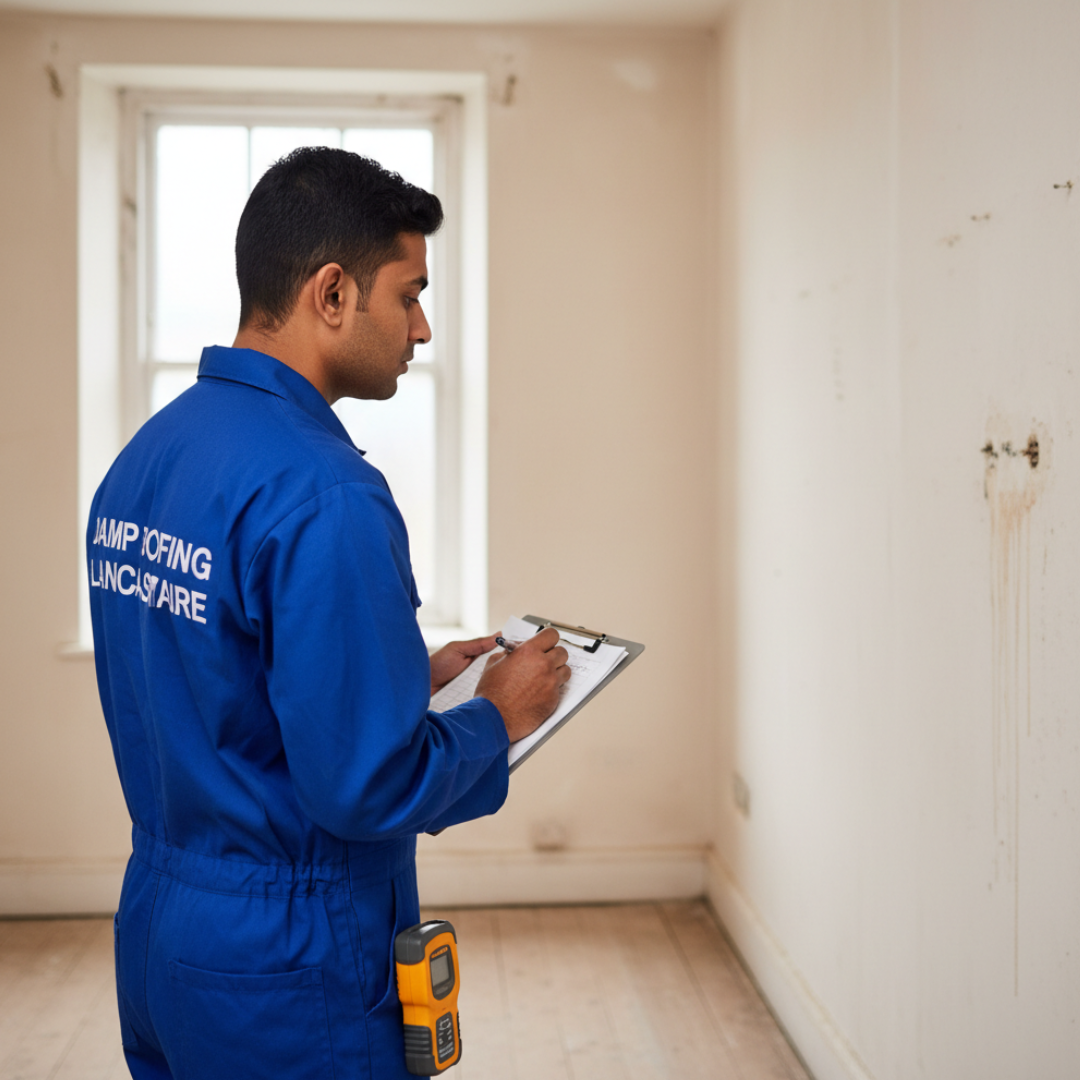
- Black mould around window frames
- Mould behind furniture
- Damp patches in corners of rooms
- Peeling wallpaper
- Musty smells
- Mould on ceilings, particularly in bathrooms
These problems usually occur on colder external walls where warm air naturally condenses.
Book a Survey
Improve Ventilation
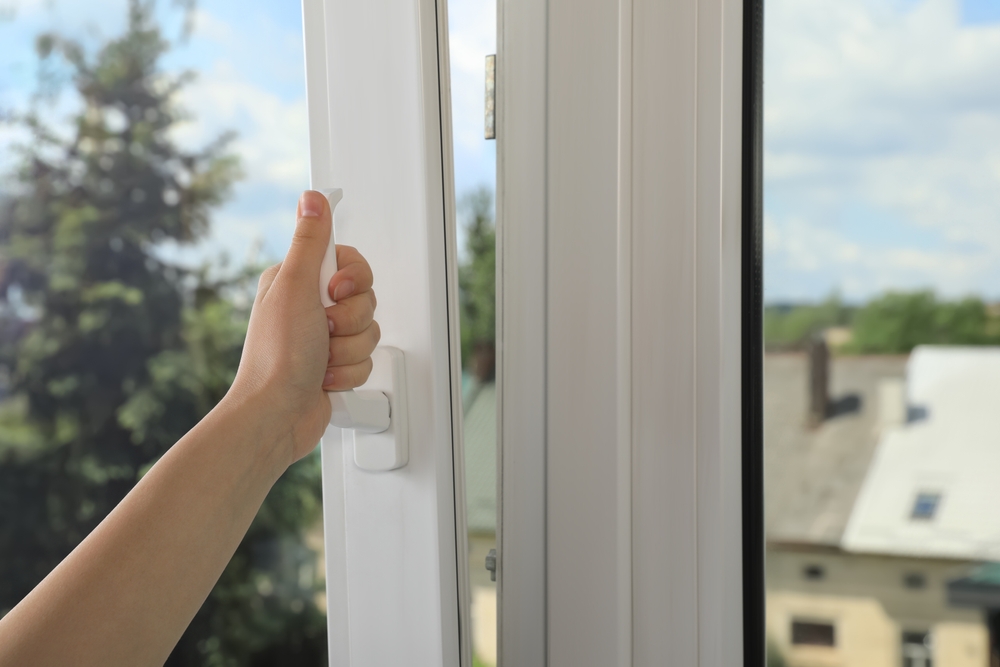
One of the most effective ways to reduce condensation is by improving airflow throughout your home. These steps include...
- Opening windows for short periods each day
- Using extractor fans in kitchens and bathrooms
- Leaving trickle vents open where fitted
- Keeping internal doors open to improve air circulation
- Avoiding blocking air bricks or ventilation grills
If your extractor fans are noisy, ineffective or more than a few years old, replacing them with modern high-performance units can make a significant difference.
Control Moisture at the Source
Reducing the amount of moisture entering the air is another important step.
Try to:
- Put lids on pans while cooking
- Use extractor fans whenever cooking or showering
- Dry clothes outside whenever possible
- If drying clothes indoors, use a well-ventilated room with the door closed
- Avoid overfilling rooms with houseplants, which also release moisture
Small changes to everyday habits can significantly reduce indoor humidity over time.
Book a Survey

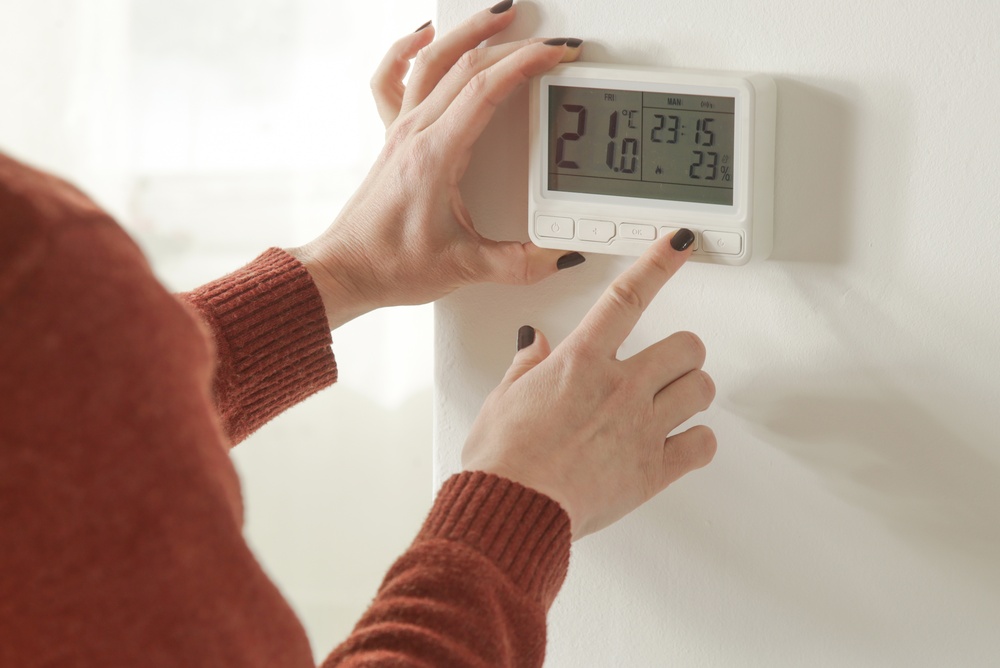
Maintain a Consistent Temperature
Many homeowners turn their heating off completely during the day to save money. Unfortunately, this allows walls to cool down, making condensation more likely when the heating is switched back on.
Maintaining a steady, moderate temperature throughout the day helps keep surfaces warmer and reduces the chances of moisture settling on walls and windows.
Move Furniture Away from External Walls
Large furniture placed tightly against external walls restricts airflow and creates cold, stagnant areas where condensation can build up unnoticed.
Leaving a small gap behind wardrobes, sofas and cupboards allows air to circulate, helping walls remain drier and reducing the risk of mould developing.
.
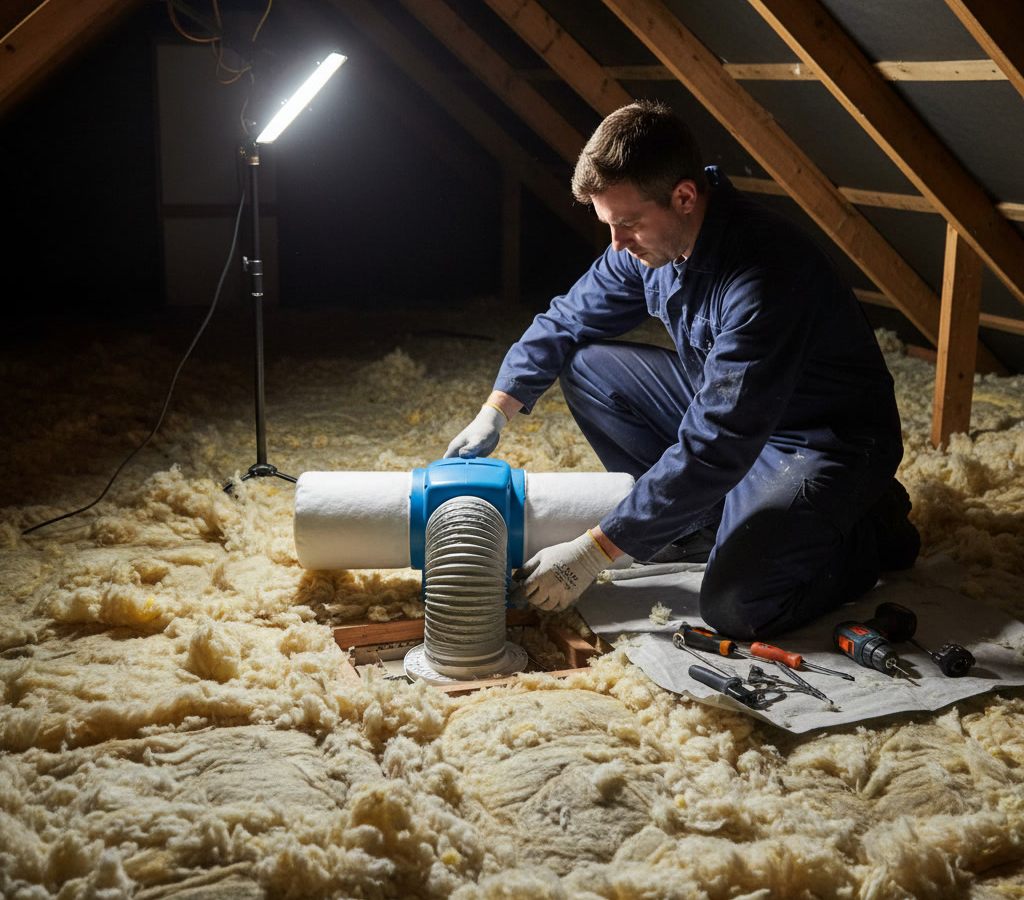
Consider Installing a Positive Input Ventilation (PIV) Unit
For homes that regularly suffer from condensation and black mould, a Positive Input Ventilation (PIV) system can provide an effective long-term solution.
A PIV unit gently introduces filtered fresh air into the property, helping to dilute humid indoor air and push excess moisture out through natural leakage points. This creates healthier air quality while significantly reducing condensation and mould growth.
PIV systems are particularly effective in properties where improving natural ventilation alone has not solved the problem.
If black mould has already appeared, it should be removed carefully.
Wear protective gloves and, where possible, a face mask when cleaning affected areas. Use a mould removal product suitable for domestic use or a diluted fungicidal cleaner, following the manufacturer's instructions carefully.
Simply painting over mould rarely solves the problem. Unless the underlying cause of excess moisture is addressed, mould will usually return.
Book a Survey
When Condensation Isn't the Real Problem
Although condensation is responsible for many cases of damp and mould, it isn't always the cause.
Many homeowners mistakenly assume any damp patch is caused by condensation when the real issue may be more serious.
Professional damp surveys frequently identify problems such as:
- Rising damp
- Penetrating damp
- Defective damp proof courses
- Leaking gutters or downpipes
- Damaged pointing
- Bridged cavity walls
- Plumbing leaks
- Defective external render
These issues require completely different treatments and won't be solved simply by opening windows or improving ventilation.
Rising Damp Requires Specialist Treatment
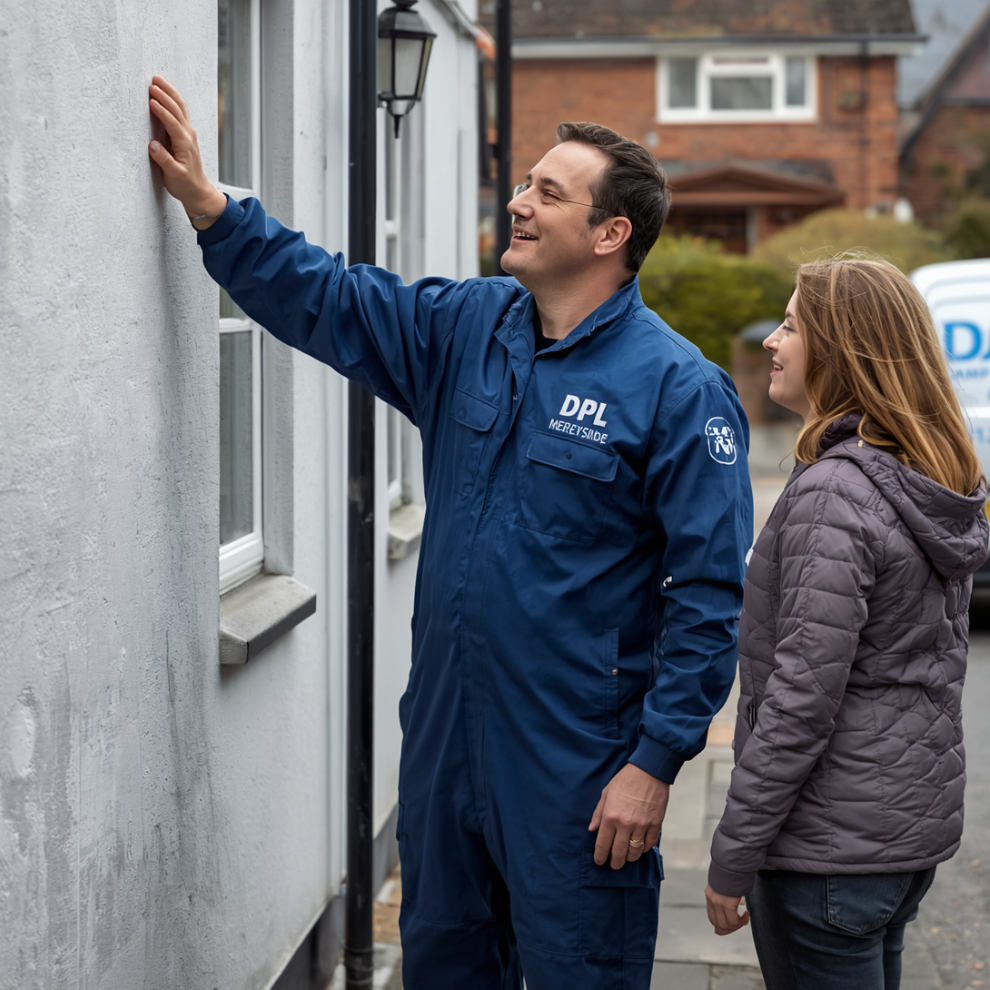
If moisture is travelling upwards through masonry from the ground, your property may have rising damp.
Typical signs include:
- Tide marks on internal walls
- Damp patches up to around one metre high
- Salt deposits on plaster
- Crumbling skirting boards
- Peeling paint near floor level
Where rising damp is confirmed, installing a new damp proof course (DPC) is often the most effective long-term solution. A professionally installed damp proof course creates a barrier within the wall that prevents ground moisture from travelling upwards, protecting your home from further damage.
Attempting to treat rising damp as though it were condensation will rarely solve the problem and can allow damage to worsen over time.
Book a Survey