- Our External and Internal Damp Proofing work comes with a 20 year Guarantee which can be transferred to the new owners when selling
Learn Why Summer Is the Best Time to Sort Out Your Damp and Mould Issues in your Bacup Home
Damp and mould are often associated with the colder months. Steamed-up windows, musty rooms and patches of black mould tend to become far more noticeable once autumn and winter arrive.
However, the moisture problems responsible for these symptoms don't suddenly appear when the temperature drops. In many homes, damp-related issues have been developing quietly throughout the spring and summer especially in more northerly places such as Bacup.
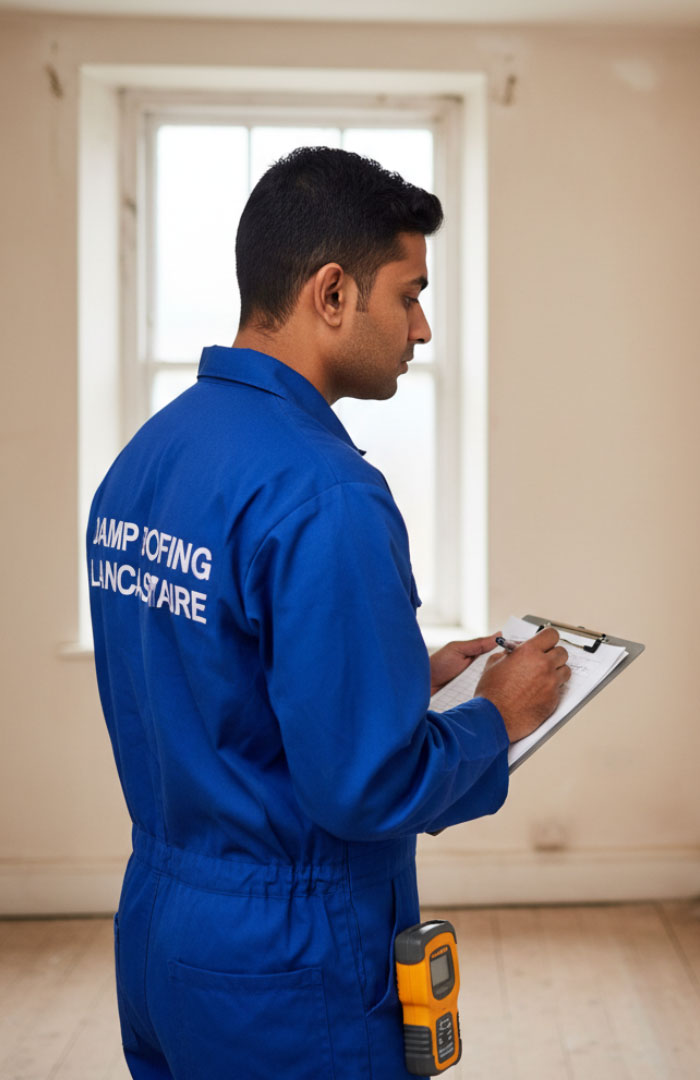
This makes the warmer months an excellent time to arrange a professional damp survey, identify the source of the problem and complete any necessary remedial work before winter returns.
Damp Problems Don't Disappear in Warm Weather
One of the reasons Bacup homeowners overlook damp during summer is that the symptoms can temporarily become less noticeable.
Warmer temperatures, increased ventilation and regularly opened windows can reduce condensation and help moisture evaporate more quickly. With the central heating switched off and more fresh air circulating through the property, walls and windows may appear considerably drier.
Unfortunately, this doesn't necessarily mean the underlying problem has disappeared.
Your property could still be affected by
- Rising damp
- Penetrating damp
- A failed or ineffective damp proof course
- Bridged wall cavities
- Damaged pointing or external brickwork
- Blocked or covered air bricks
- Leaking gutters and downpipes
- Plumbing leaks
- Poor ventilation
These problems can continue causing damage regardless of the time of year. Summer simply has a habit of making some of the warning signs easier to overlook
Book a Damp Survey
Don't Wait for Black Mould to Appear
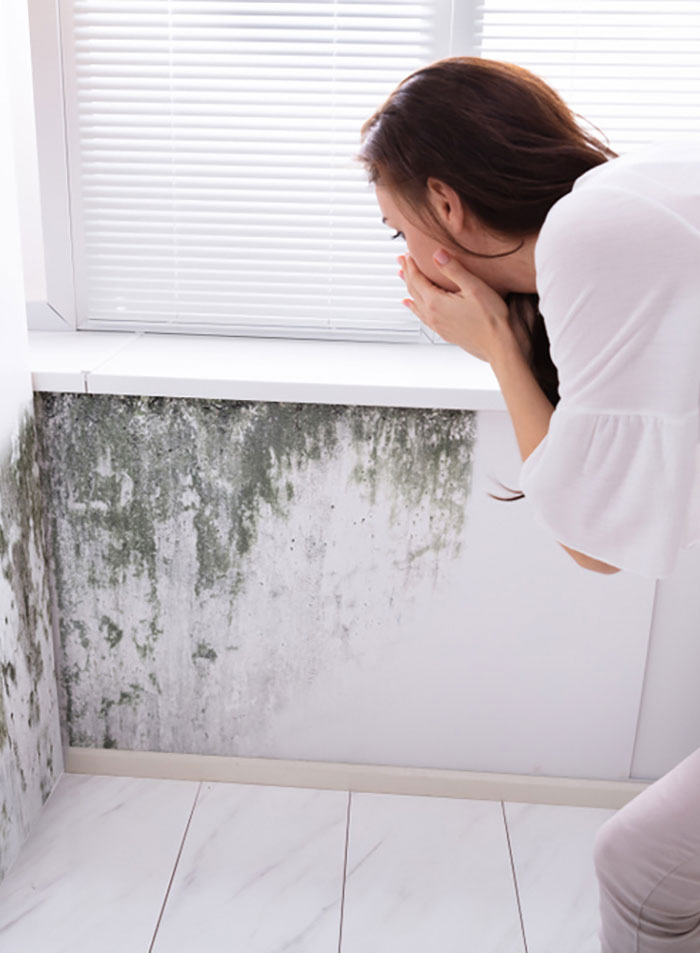
Black Mould Is Often the Final Warning Sign
Black mould is often the point at which homeowners decide something needs to be done. But visible mould is generally a symptom of excessive moisture, rather than the original cause.
Before mould becomes obvious, you might notice other warning signs such as a persistent musty smell, peeling wallpaper, bubbling paint, discoloured plaster or unusually cold and damp areas of wall.
Left untreated, prolonged moisture can contribute to:
- Damaged plaster and decorations
- Peeling paint and wallpaper
- Deteriorating skirting boards
- Timber decay
- Mould growth
- Unpleasant smells
- Poorer indoor air quality
Arranging a damp survey before the colder weather arrives provides an opportunity to identify these problems before they become more extensive.
Book a Survey
Summer Is Ideal for Damp Proofing Work
There are practical advantages to carrying out remedial work during warmer weather. Walls generally dry more efficiently, ventilation is easier to maintain, and external repairs such as weather sealing or pointing can often be completed in better conditions.
Completing any necessary work during summer also means your home is protected before the wetter months arrive.
Book a Survey
Summer Gives You Time to Prepare for Winter
There is another practical advantage to dealing with damp during the warmer months: you can get ahead of the autumn and winter rush.
As soon as temperatures begin to fall, damp specialists typically receive more enquiries. Homes become less ventilated, windows stay closed, heating is switched back on and condensation becomes increasingly noticeable.
A familiar pattern then begins:
- Temperatures drop.
- Condensation increases.
- Windows and walls become wet.
- Mould begins appearing.
- Homeowners start looking for a damp specialist.
This sudden increase in demand can mean reputable damp surveyors and contractors become much busier.
By arranging an inspection during summer, you have more time to investigate the problem properly, consider the recommended treatment and complete any necessary work before conditions deterior
Book a Survey

Avoid Rushed Decisions When Demand Is High
When a damp problem suddenly becomes worse, it is understandable that homeowners want it fixed as quickly as possible.
Unfortunately, urgency can sometimes result in poor decisions.
During particularly busy periods, inexperienced contractors, general handymen and companies offering suspiciously cheap solutions may appear attractive when established damp specialists have longer waiting times.
The problem is that correctly diagnosing damp is essential.
For example, treating a condensation problem with a new damp proof course won't solve the underlying issue. Equally, installing additional ventilation won't necessarily solve genuine rising damp or water penetrating through defective external walls.
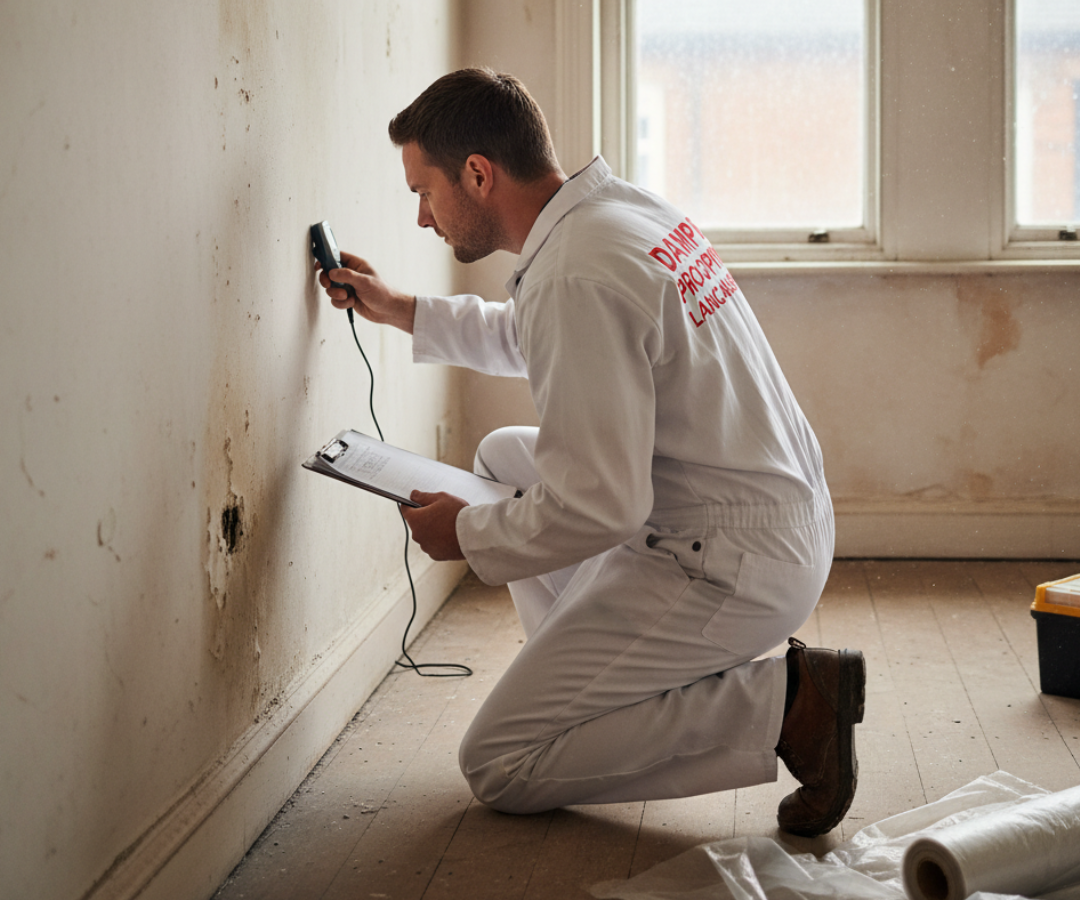
A thorough damp survey should investigate the evidence and determine where the moisture is coming from before recommending treatment.

Not Every Damp Patch Is Condensation
Condensation is extremely common in UK homes, particularly in kitchens, bathrooms, bedrooms and properties with inadequate ventilation. But it shouldn't automatically be blamed for every damp patch.
Moisture can enter or accumulate within a property for numerous reasons.
A professional damp survey may investigate whether the problem is associated with condensation, rising damp, penetrating damp, defective plumbing, external building defects, poor ventilation or another source of unwanted moisture.
Identifying the correct cause is important because different types of damp require very different solutions.
Rising Damp Requires the Correct Diagnosis and Treatment
Rising damp occurs when moisture from the ground travels upwards through porous building materials such as bricks and mortar.
Properties should normally have a damp proof course designed to prevent this movement of moisture. However, older properties may have an ineffective or deteriorated DPC, while alterations to ground levels or internal floors can sometimes bridge an existing damp proof course.
Where genuine rising damp is professionally diagnosed, appropriate remedial treatment may include installing a new damp proof course and dealing with contaminated or damaged plaster.
Simply opening windows or fitting additional ventilation will not address moisture rising through the building fabric.
This is another reason why obtaining the correct diagnosis is so important before paying for remedial work.
Early Investigation Can Reduce Future Repair Costs
It's easy to postpone investigating a small damp patch, particularly during summer when it doesn't appear to be getting any worse.
But moisture problems rarely correct themselves.
A minor defect such as damaged pointing, a leaking gutter or inadequate ventilation can gradually cause much greater damage if it remains unresolved. Eventually, what started as a relatively straightforward repair could involve replacing plaster, redecorating rooms or repairing damaged timber.
Finding the source early can therefore save considerable inconvenience and potentially reduce the overall cost of putting the property right.
Summer Can Also Be Better for Remedial Work
The benefits of a summer damp survey aren't limited to identifying the problem.
Depending on the diagnosis, warmer and generally drier conditions can also provide a good opportunity to carry out certain external repairs and damp prevention work.
There is also more time for treated areas and newly plastered walls to dry before autumn arrives and the property is once again exposed to colder temperatures, increased rainfall and higher levels of indoor condensation.
Most importantly, completing the work during summer means your home can be better prepared for the conditions that often expose damp problems during winter.
Don't Wait Until Damp Becomes a Winter Emergency
The absence of visible mould during summer doesn't necessarily mean your home is free from damp.
If you've previously experienced black mould, damp patches, musty smells, peeling decorations or unexplained moisture, the warmer months are an ideal opportunity to investigate the cause.
A professional damp survey can establish whether you're dealing with rising damp, penetrating damp, condensation, poor ventilation or another building defect and recommend the most appropriate next steps.
Rather than waiting for the first cold spell to reveal the problem again, use the summer months to investigate it properly.
Finding and treating the cause now could mean a warmer, drier and healthier home when winter arrives.
Book a Damp Survey
Arrange a no-obligation Quotation!
Do you have problems with damp, woodworm, dry rot, condensation? Cracked bricks? Get in touch with a member of our experienced team today by calling 01772 342 960
BOOK NOW!